The challenge
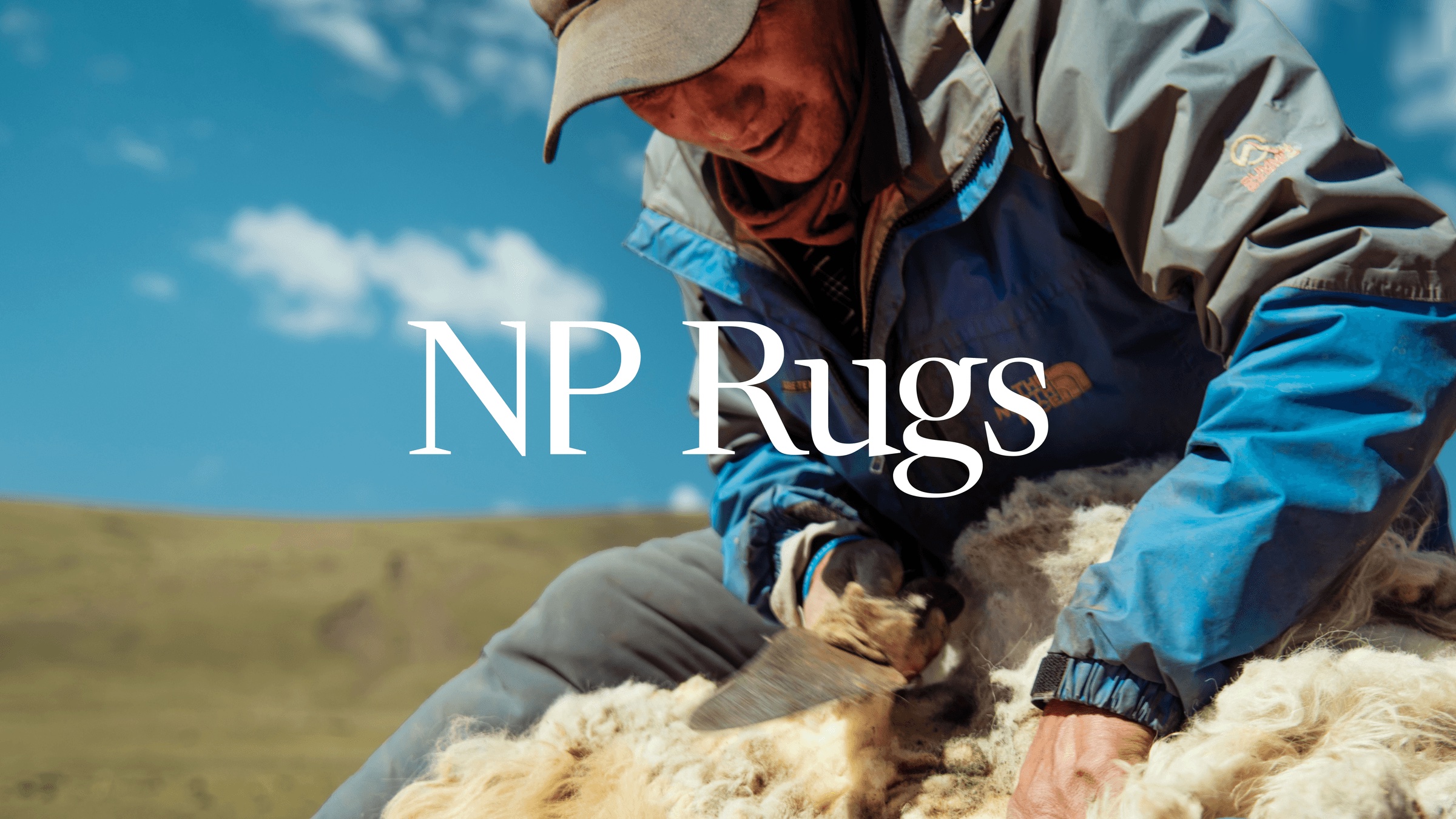
NP Rugs spent decades making work the world admired without ever being named in it. The craft travelled. The story stayed behind.
That is the position of a manufacturer: skilled, trusted, invisible. The brief was to move NP Rugs out of it. Not by adding a layer of polish on top of what already existed, but by giving the company the authority to define how it is seen, at home and abroad, on its own terms.
The strategy
The identity worth having was already in the company’s history. Its origin, its people, and the places the rugs were kept.
The insight
NP Rugs was founded by Tibetan refugees who first settled in Lo, Mustang, the Forbidden Kingdom. Resilience was already there in the grueling walk down from the high Tibetan plateaus.
The positioning
A rug holds months, sometimes years, of a person’s time. It is art with a history of resilience behind it. We built the brand on that, and it changed what NP Rugs was selling. Not product. Provenance.
The audiences
Three groups, each drawn to a different edge of the same story. The trade needed reliability with a name attached, so Legacy gave them provenance they could sell up the chain. Collectors buy rarity and story, so People gave them the hands and the decades behind each piece. Studios buy how a room feels, so Home gave them the rug already living in the spaces they design.
The work
The obvious move was to modernise: cleaner, more global, more like the European houses buyers already knew. But every step toward “global” pulled the brand away from the one thing no competitor could copy. So we made the harder bet. Not to look more like the market, but less. We took the brand backward, to Mustang, and let its origin do the work that polish usually does.
One brand story, carried across three campaigns. Legacy returns to Mustang and the origin the company had never claimed. People puts the makers in view, since the craft is inseparable from the hands doing it. Home follows the rugs into the spaces they end up in, where the story keeps going without us.
Logo mark
Researching the mark, I wanted to strip away the decoration that competing Nepalese manufacturers lean on. Red was also closely tied to Jan Kath, the most recognised Nepalese rug maker, so we moved away from it. The identity is simple, bold, and legible across platforms: a serif type modified to feel like a rug folding across a surface.



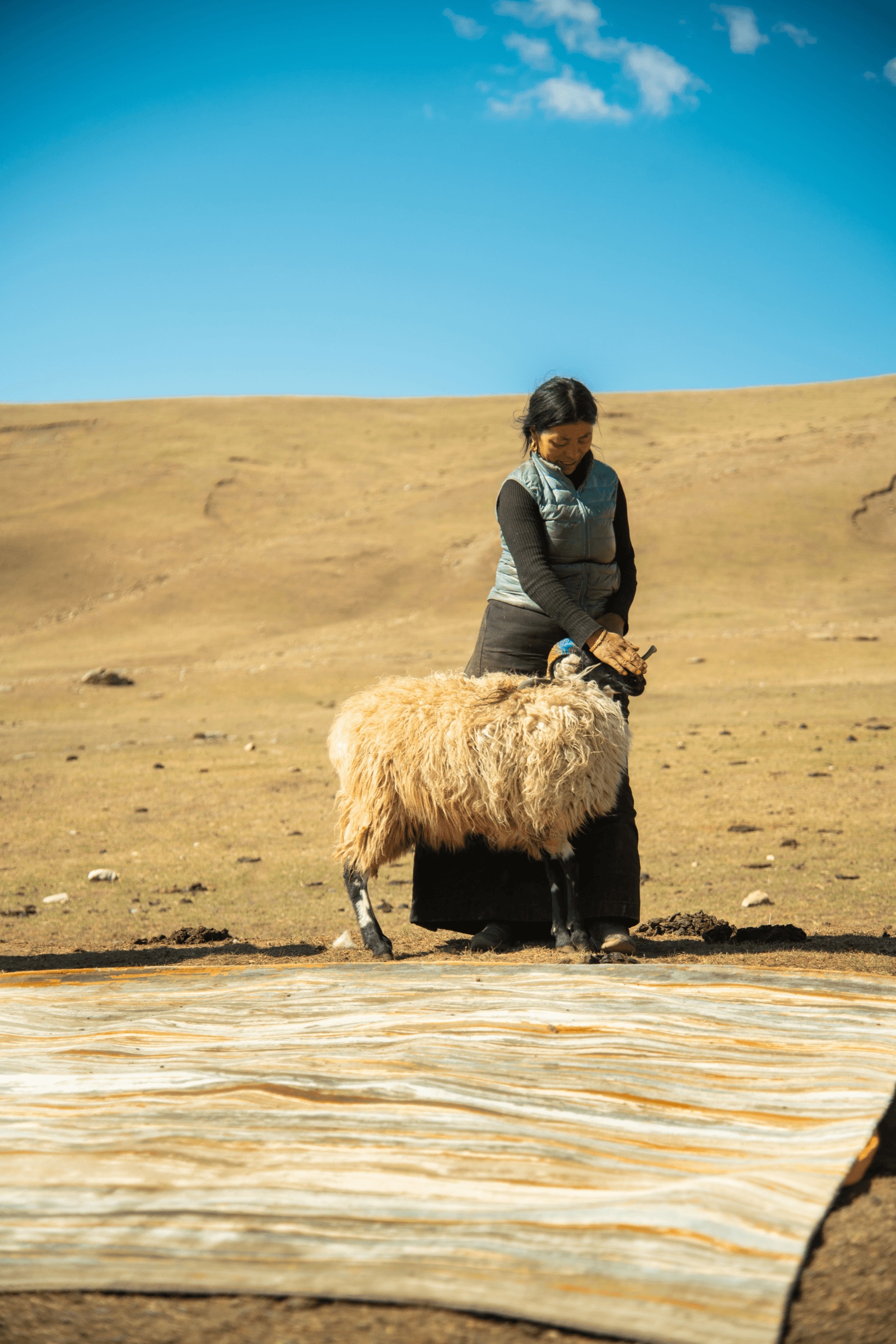
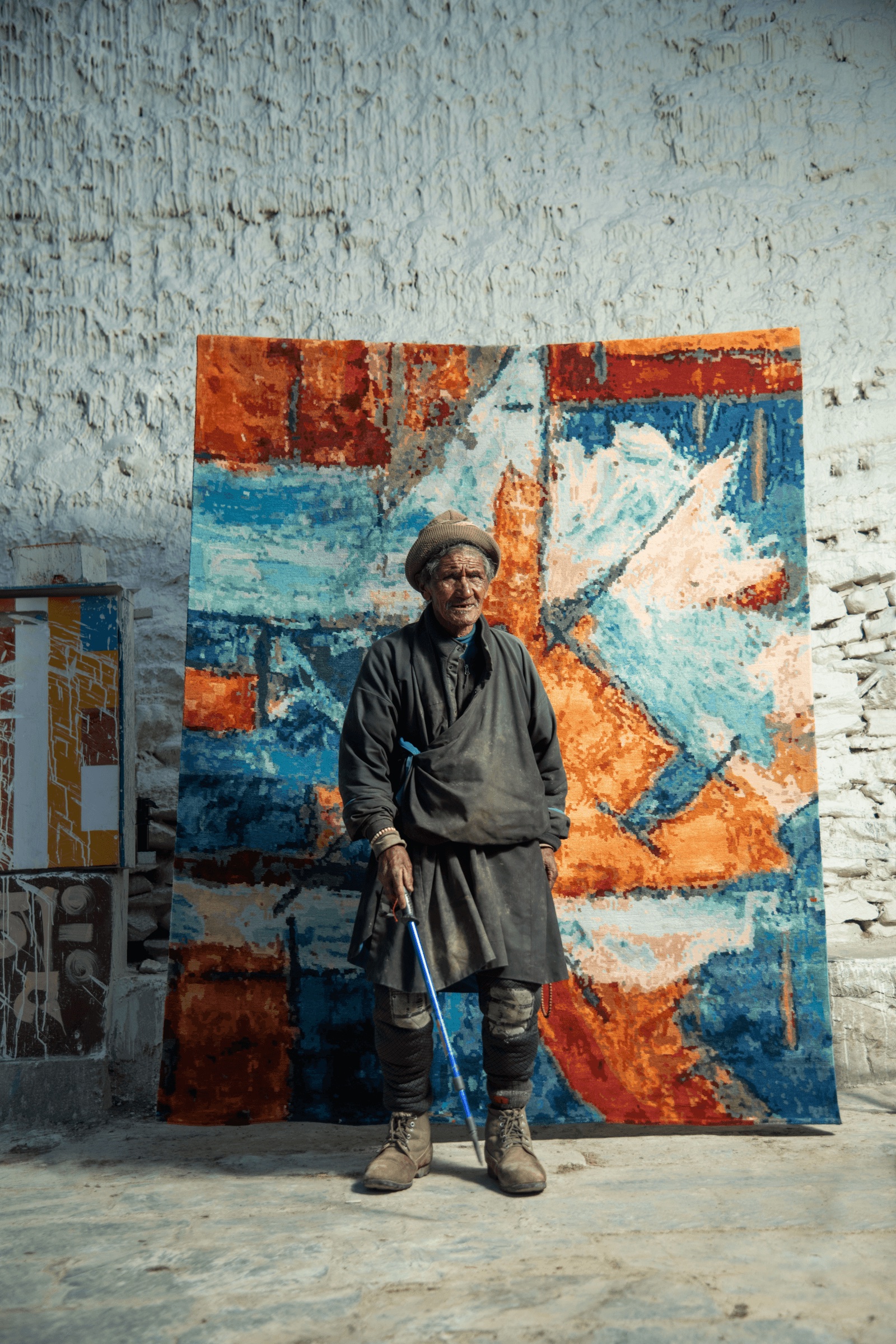
Mustang, where it all began
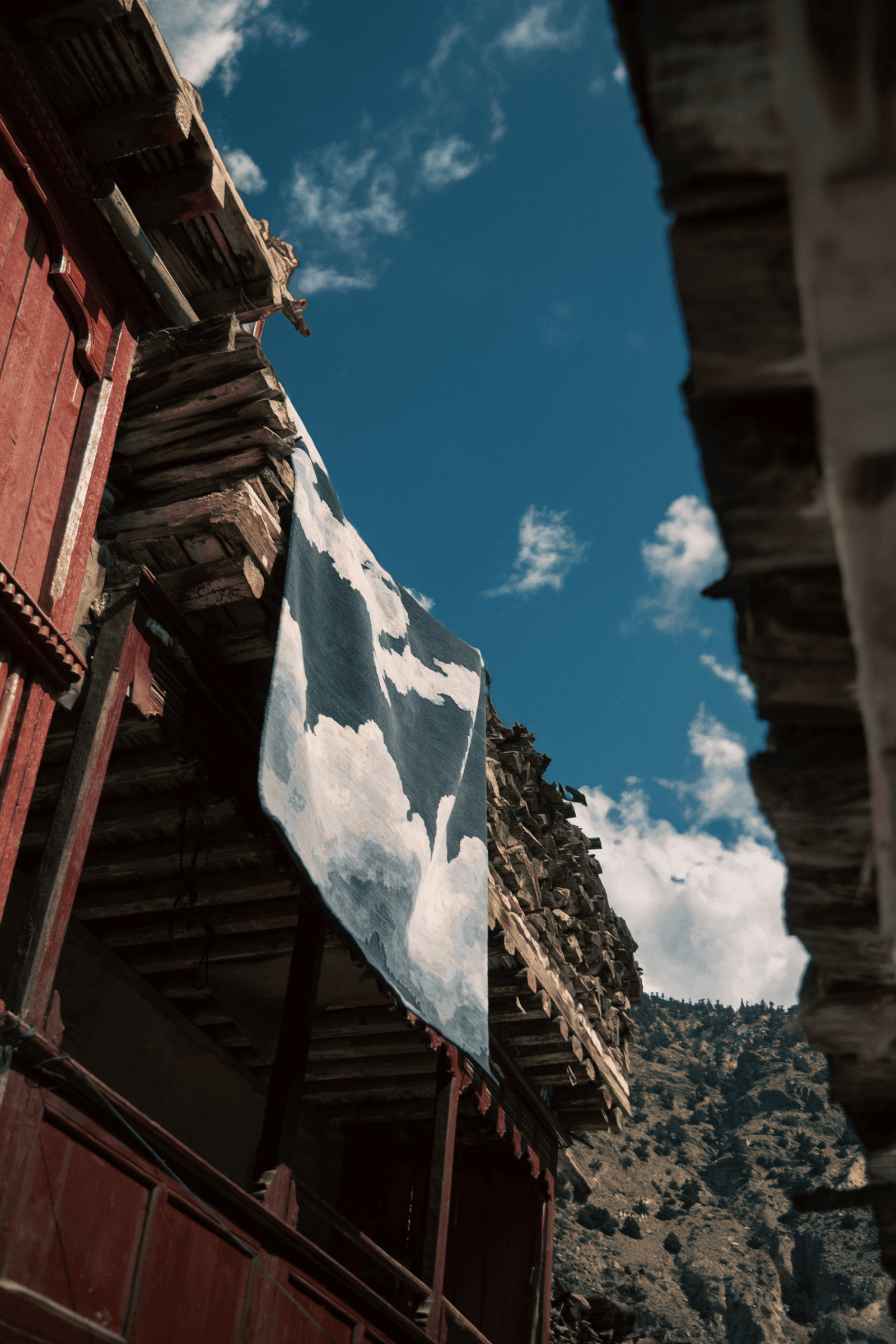
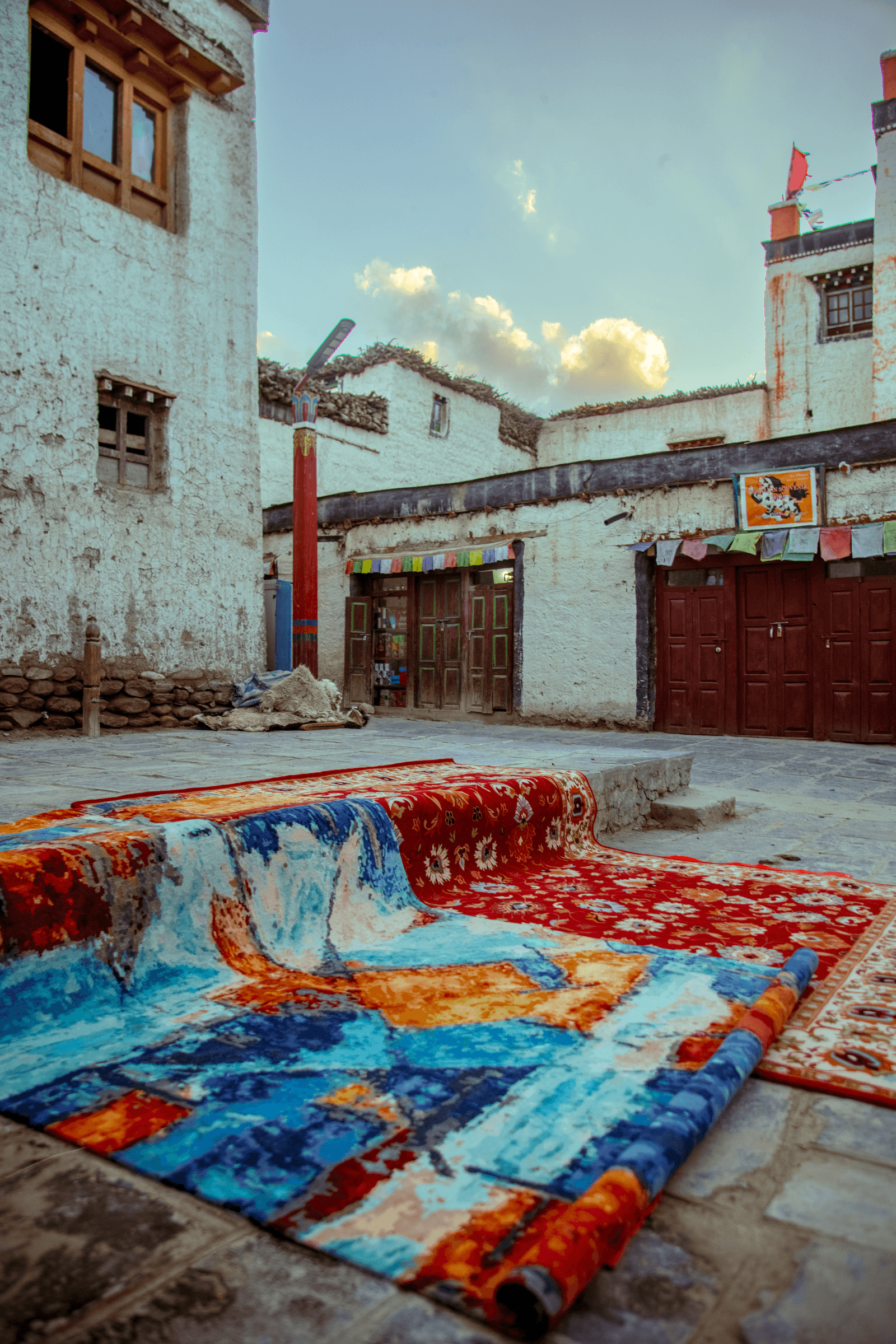
We didn’t take the rugs to Mustang to show where they were made. We took them there to show where they belong.
Luxury isn’t defined by price. It’s defined by origin. Taking the rugs back to Mustang showed that their value comes from somewhere real. The mountains, monasteries, villages, and people become part of the product’s identity. The rugs stop being something that was manufactured and become something that belongs to a place.
We put the rugs inside an old cargo plane and took off for the roof of the world. The Last Forbidden Kingdom of Lo, inside Mustang, is one of the few places where Tibetan culture still thrives as it did generations ago. This is their origin story. I wanted to build a brand world that shows how it lives and breathes, not just a sleek logo.



Empowering people
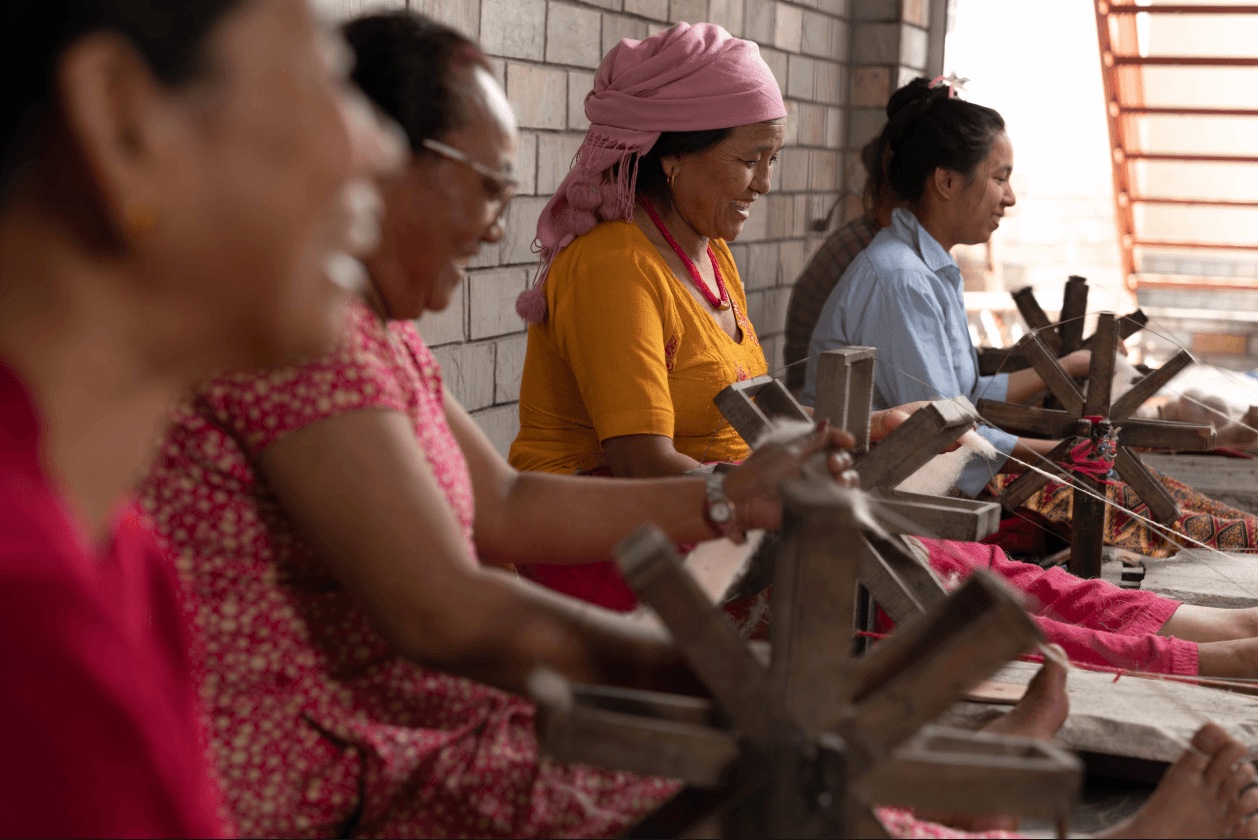
Most brands hide the people behind their products, especially when those products are made in less developed countries. NP Rugs does the opposite. We built a brand that keeps its people first.
As a proud member of Label STEP, the non-profit committed to fair trade and the wellbeing of weavers in the handmade carpet industry, showing the artisans who have worked with us for decades was itself a strategy. It reinforces the value of authentic craftsmanship and positions each rug as a story of heritage, dedication, and human artistry.



Bring the story home
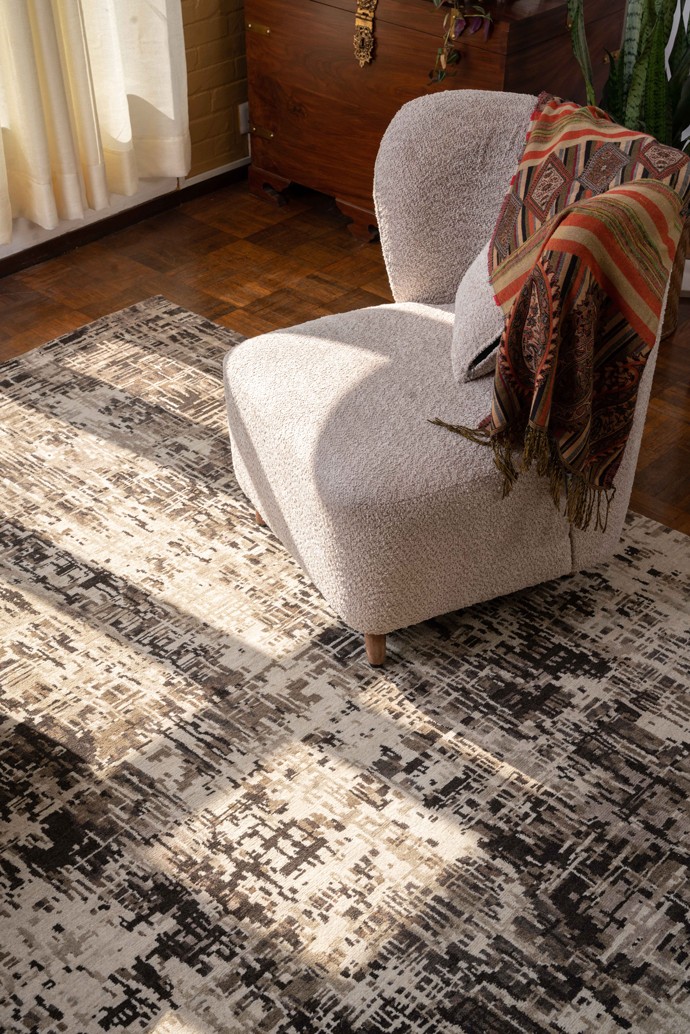
The rug doesn’t end with us. It ends in someone’s home.
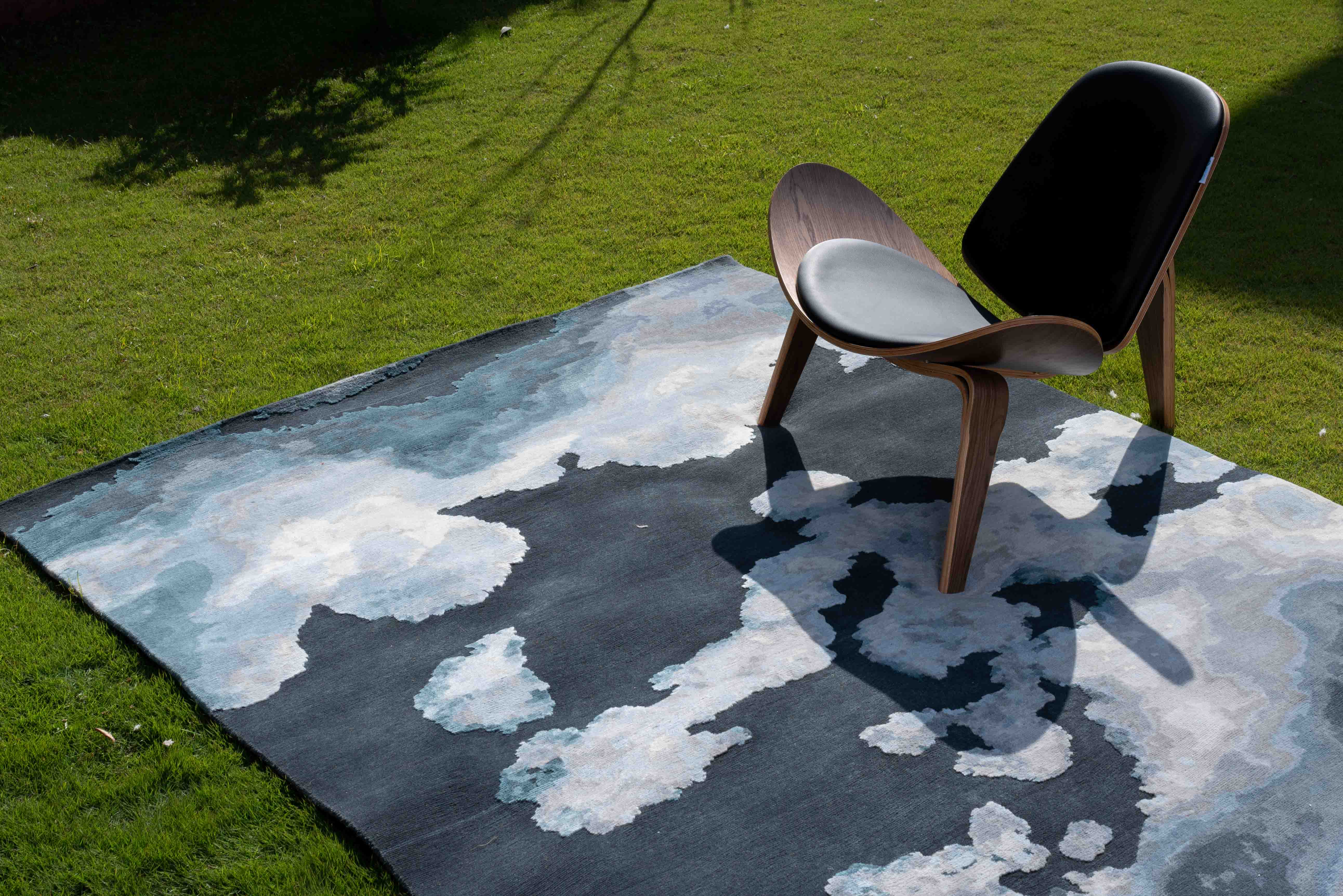
A rug leaves the loom finished, but not complete. It becomes what it is once it’s lived on, walked across, and built around. So the final campaign follows the rugs into the spaces they end up in: the homes of collectors, the rooms designed by studios who choose them.
This is where the two audiences who buy for keeps meet the work. The collector sees an object with provenance. The studio sees a piece that anchors a room. Both get the same thing NP Rugs was always making. Not a floor covering, but something a place is built around, carrying its story forward long after it leaves us.

Execution
From story to surface.
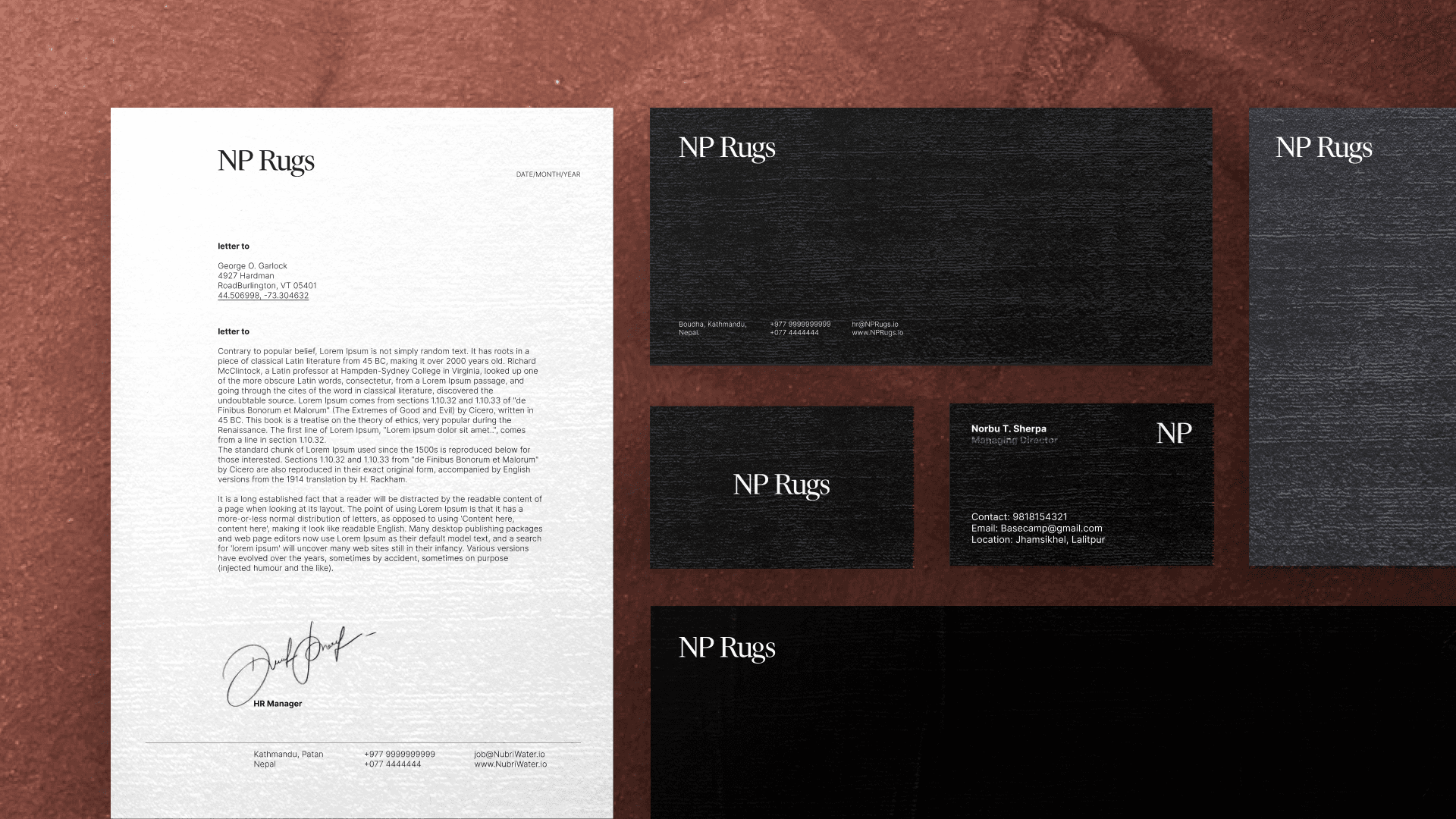
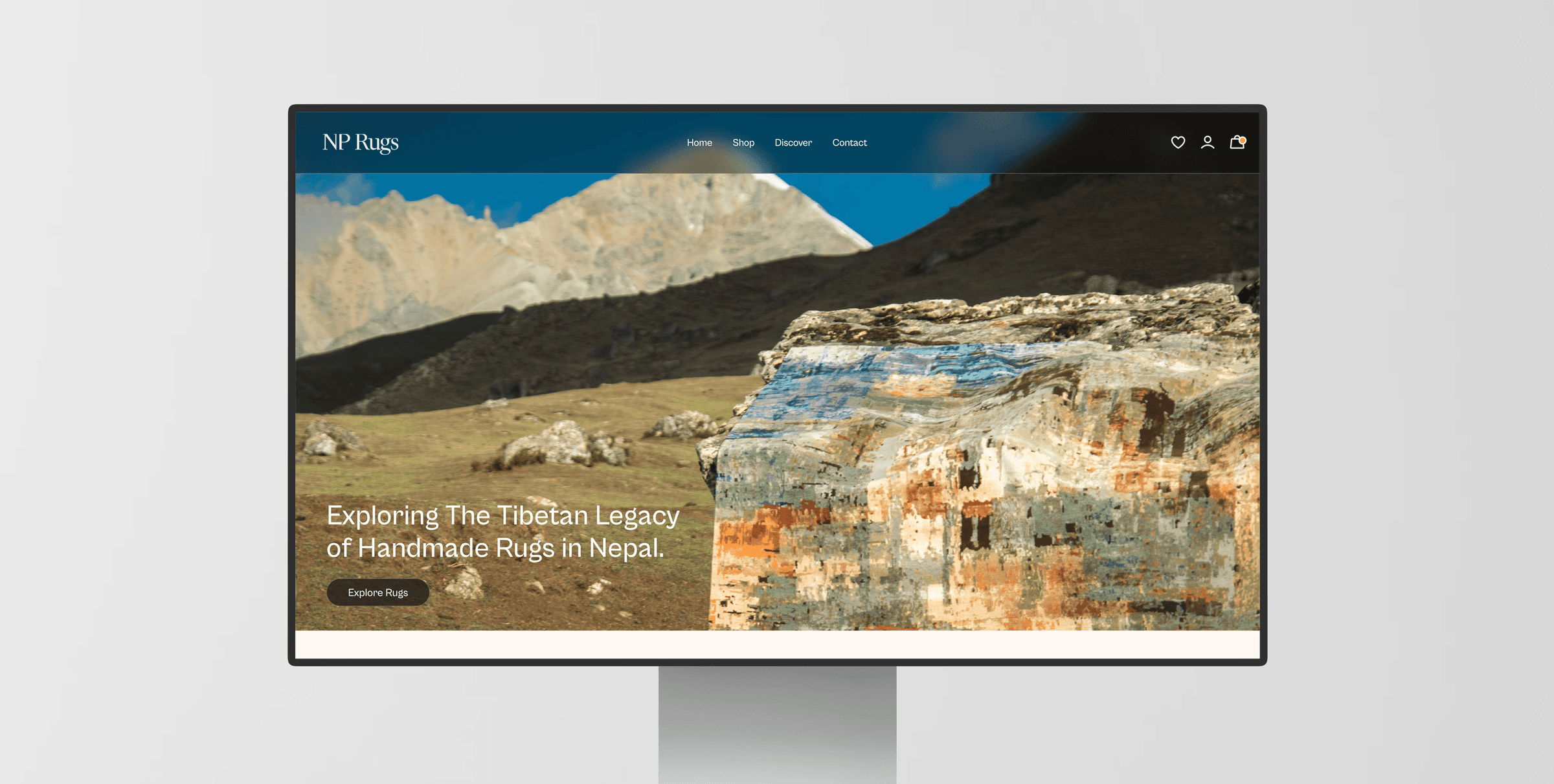
The identity applied across everything NP Rugs touches, from the trade catalogue to print and digital.

Outcome
After more than thirty years of white-labelling, NP Rugs now sells under its own name for the first time.
The trade catalogue is printed and the Instagram is live, marking the shift from anonymous production to a visible brand that owns its work.